


Engineering · Process landscape
How precision parts get made.
We're CNC specialists — but choosing the right process for a part is bigger than machining. This is the full landscape: what we run in-house, the finishing we coordinate, and the formative processes we don't do — with an honest read on when each one (or machining instead) is the better call for your part.
How to read this
Three tiers, plainly labeled.
Being useful means being honest about scope — even when the best answer for your part isn't us. Every process below carries one of three tags.
We run it on our own floor, under our AS9100 quality system.
We plan and manage it as part of your job, run at vetted specialty partners.
Not something we do — here's what it's for, and when machining wins.
01 · Subtractive (machining)
What we run on our own floor.
Material removed from solid stock with cutting tools — the most accurate, most flexible way to make a part, and the only family of processes we run in-house. Tightest tolerances, any alloy, no tooling cost.
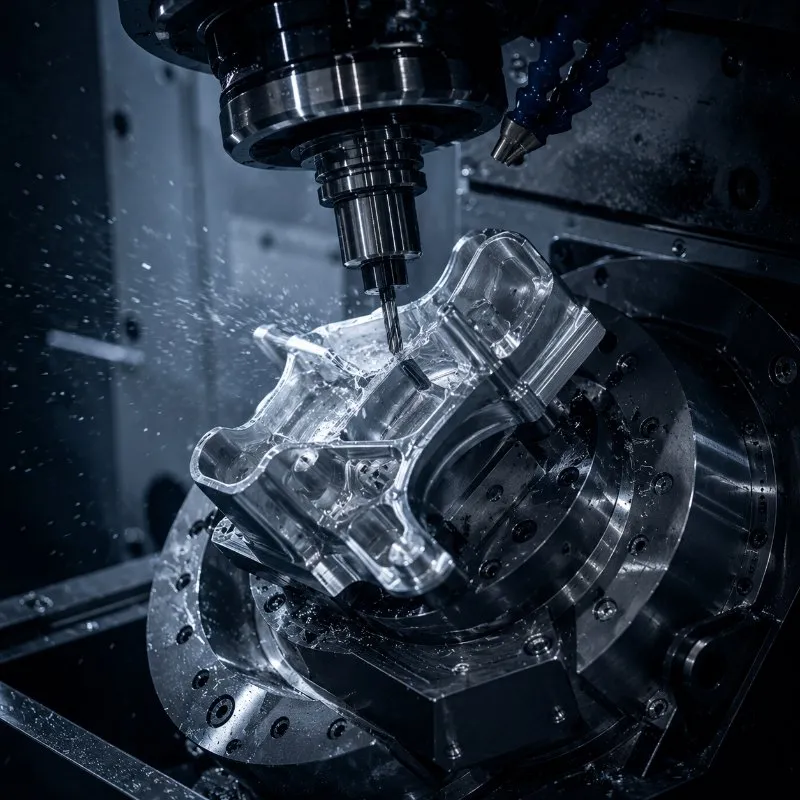
3- & 5-axis CNC milling
Prismatic and contoured parts — brackets, housings, aerospace structures.
0.001″ std · 0.0002″ best
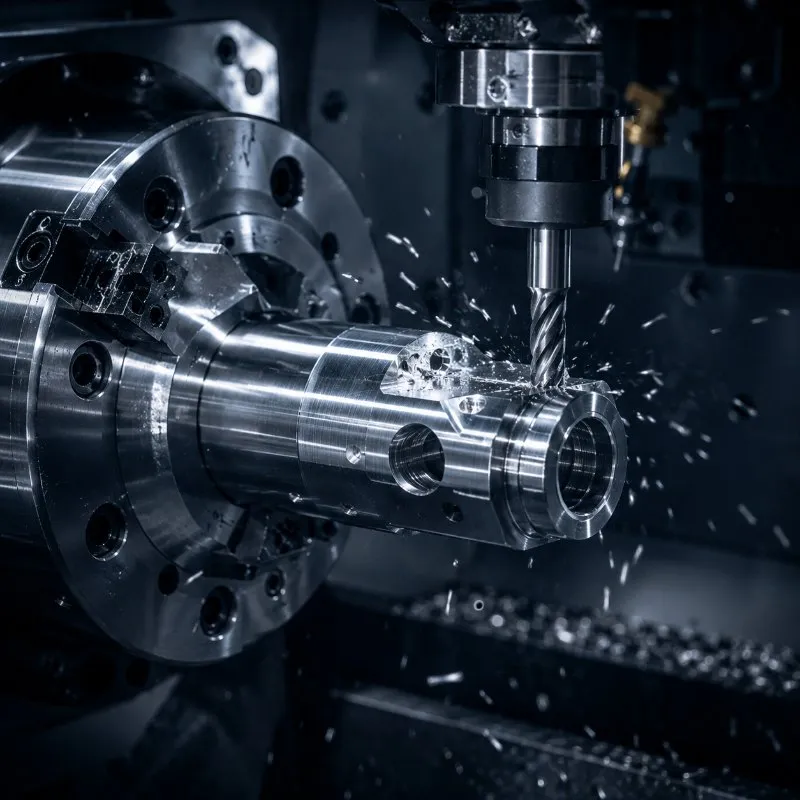
CNC turning & mill-turn
Round parts, shafts, and fittings; turned-and-milled done-in-one.
0.001″ · 0.0002″ ID-OD
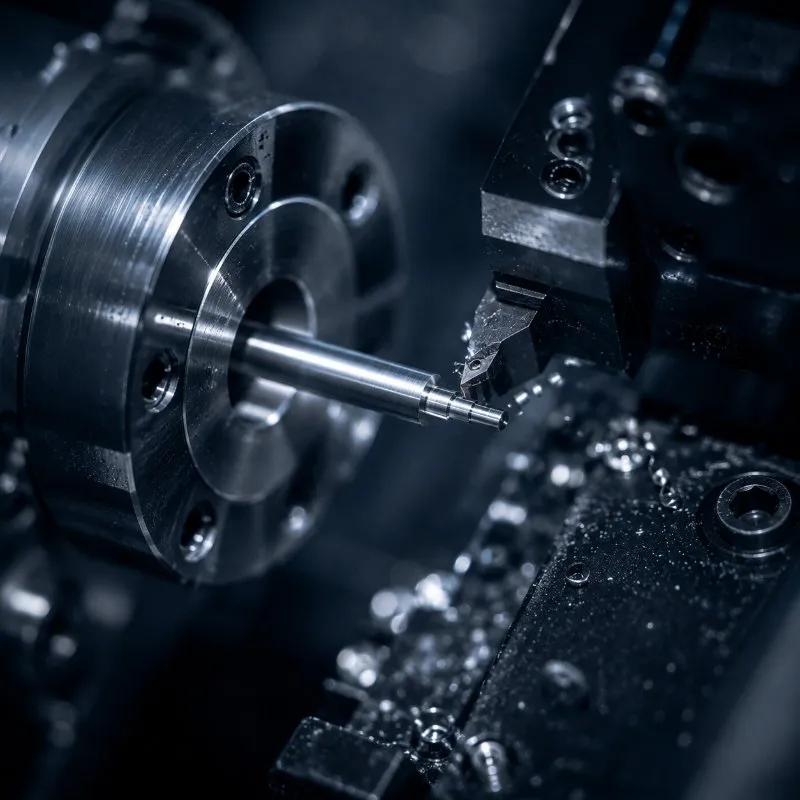
Swiss-type turning
Small long/slender precision parts, 3–32 mm — pins, contacts, bone screws.
0.0001″ best
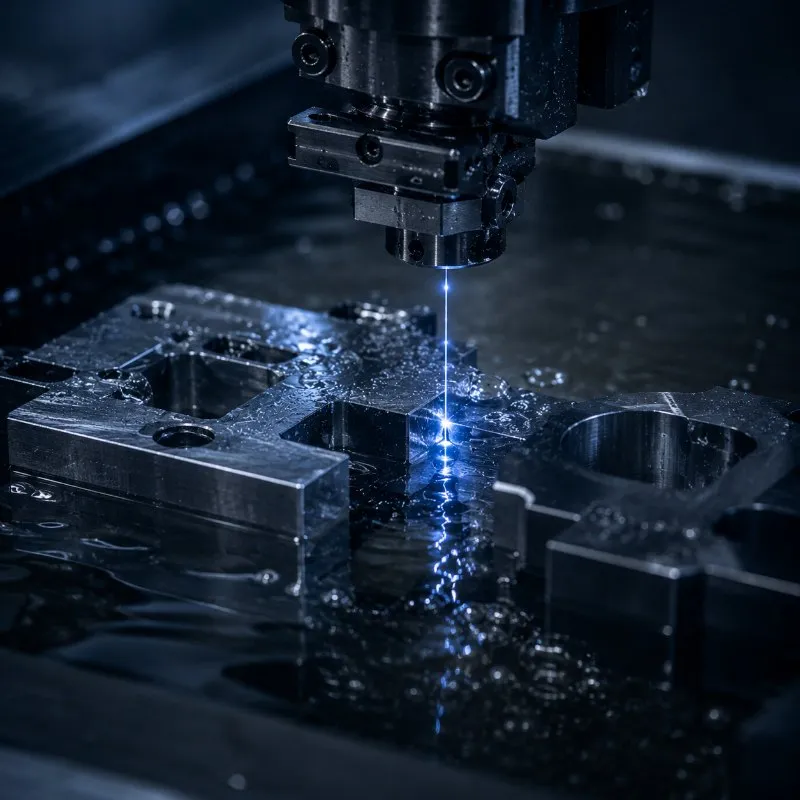
Wire EDM
Hardened tool steel, fine profiles, and sharp internal corners.
0.00008″ best
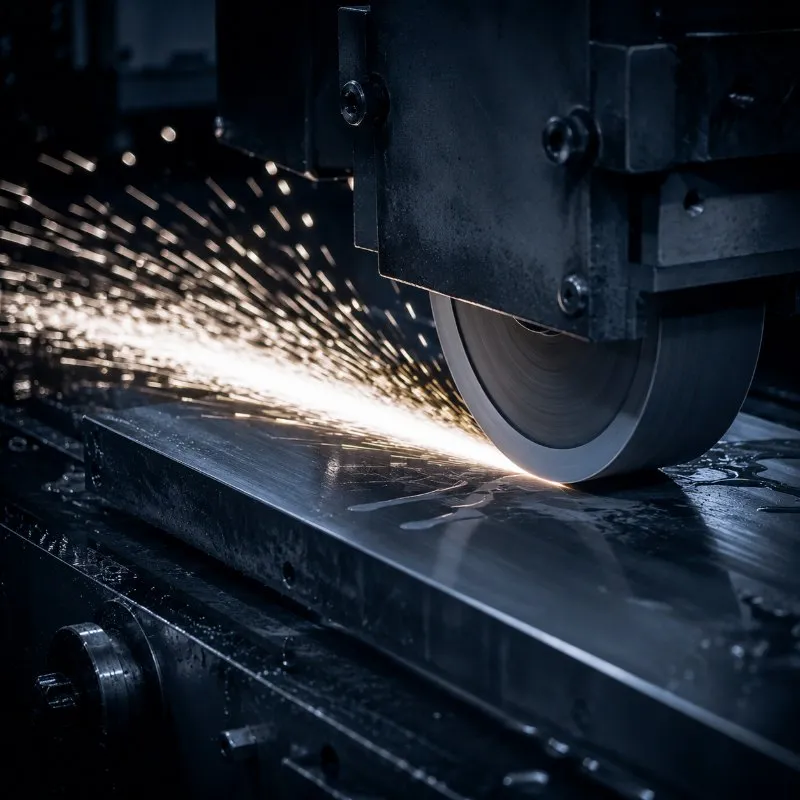
Surface grinding
Flat-and-parallel finishing on hardened parts.
0.0001″ best
Not sure which fits? The process selector routes your geometry, material, and volume to the right setup.
02 · Finishing & secondary
What we manage for you.
The operations that happen after the chips stop — heat treat, finishing, and special inspection. We don't run these in-house, but we plan them into your routing, hold the schedule, and run them at vetted (including Nadcap) partners so the part comes back ready.
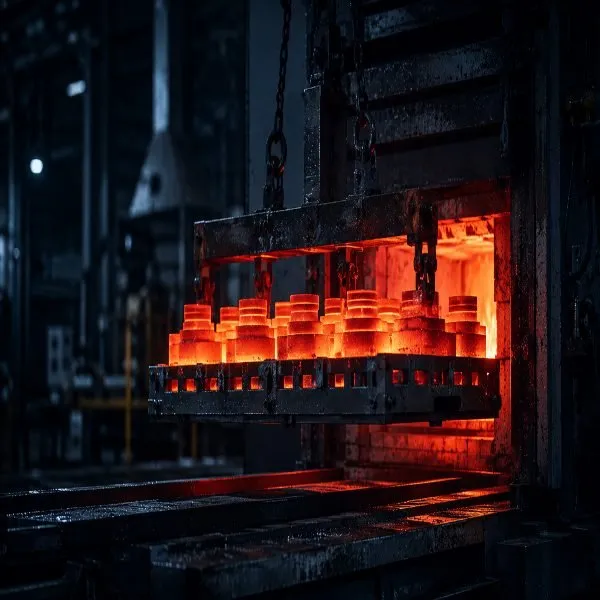
Heat treatment
Harden, temper, anneal, solution-treat + age, or case-harden to hit final mechanical properties.
Planned into our routing with stock and distortion allowances; run at vetted (incl. Nadcap) partners.
Heat-treatment reference →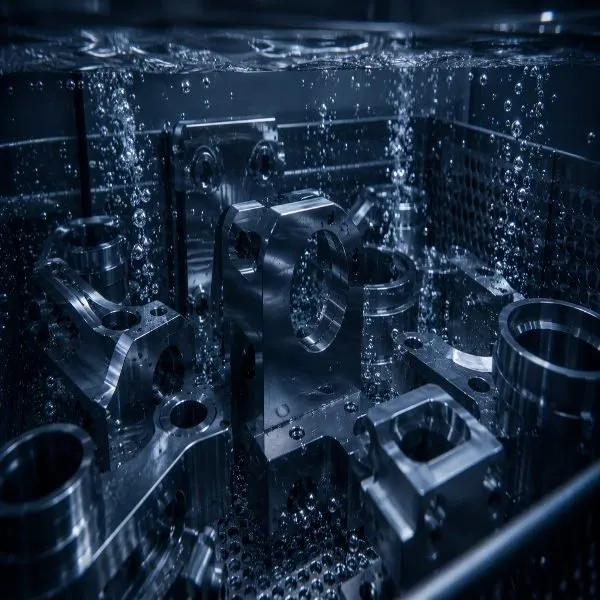
Passivation
Citric or nitric (ASTM A967 / AMS 2700) to strip free iron and restore the passive layer on stainless.
We machine, clean, and route the parts; the bath runs at a finishing partner.
Citric vs nitric →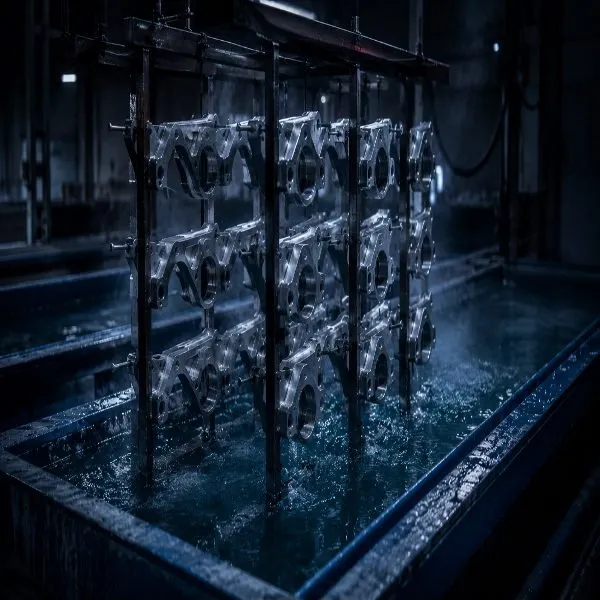
Anodize
Type II and Type III hardcoat (MIL-PRF-8625, formerly MIL-A-8625) for corrosion resistance and wear on aluminum.
Coordinated with finishing partners; we mask and dimension for the build-up.
Type II vs III →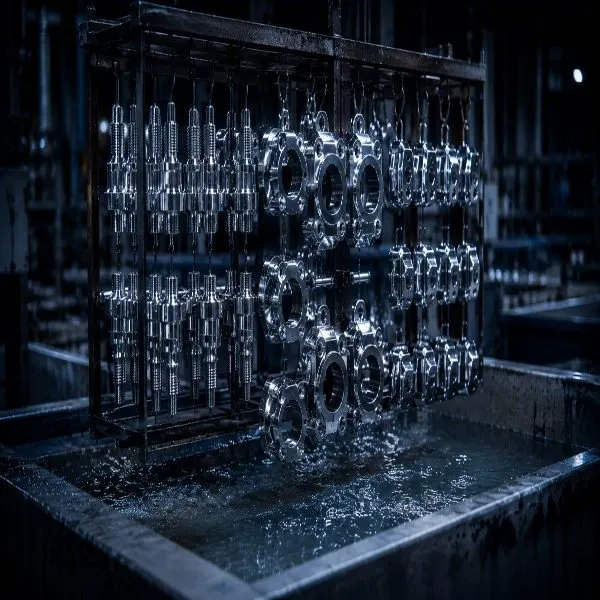
Plating & conversion coatings
Electroless nickel, hard chrome, chem-film (MIL-DTL-5541), and other platings.
Coordinated; we account for thickness build-up in the machined dimensions.
Coatings & finishes →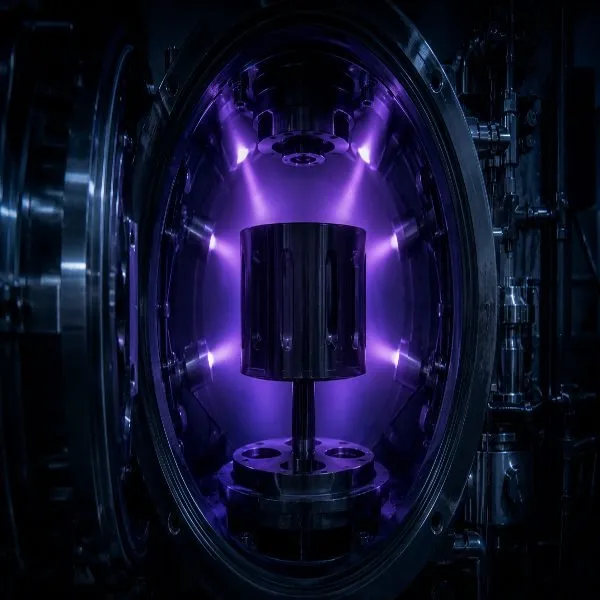
PVD / DLC & thermal spray
Thin-film hard or low-friction coatings, and sprayed coatings for wear or dimensional restoration.
Coordinated with specialty coaters.
Coatings & finishes →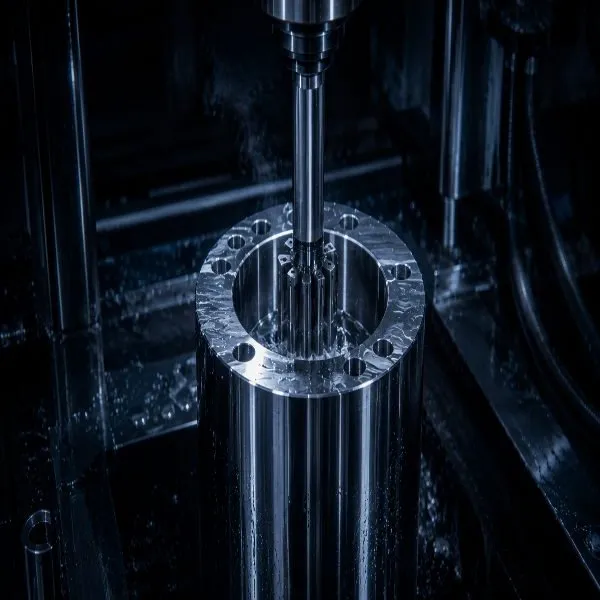
Honing & lapping
Super-finishing for bore geometry and flatness tighter than our surface grinding can hold.
For tighter than 0.0001″ we coordinate honing/lapping with a specialty partner.
Surface finishes →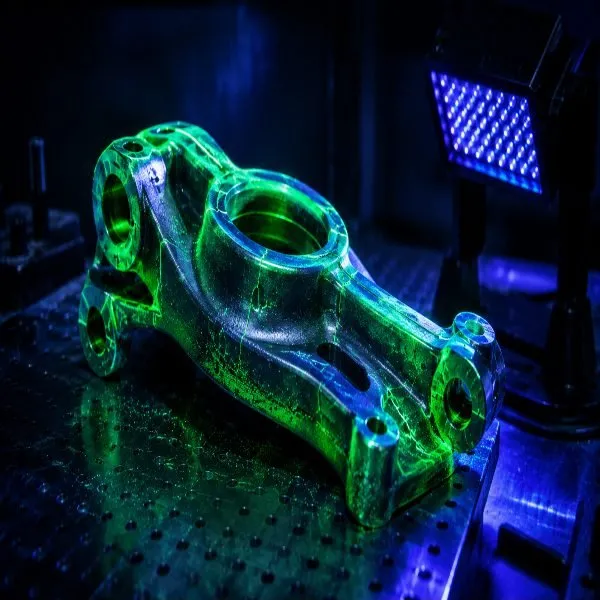
NDT (FPI · MPI · X-ray)
Non-destructive inspection for crack and porosity detection on flight-critical parts.
Coordinated; dimensional FAI runs in-house on our Hexagon Global S CMM.
Inspection standards →03 · Forming & other primary processes
What we don't do — and what it's for.
These shape metal or plastic by casting, forming, or building it up rather than cutting it away. We don't run them — but we often machine their output to final tolerance, and we'll tell you when one of them beats machining outright (and point you to a partner).
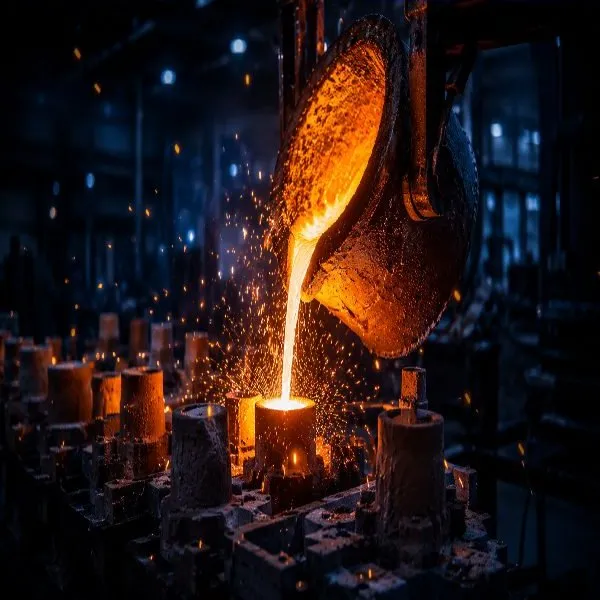
Casting (investment · sand · die)
Molten metal poured or injected into a mold for near-net shapes.
- Best for
- Complex geometry at moderate-to-high volume
- Typical tolerance
- Investment 0.005″/in · sand 0.030″ · die 0.005″
The machining angle
We machine castings to final tolerance on critical features (we list “Castings, machined” as a capability). Machining alone wins at low/mid volume, on tight tolerances, and with zero tooling cost.
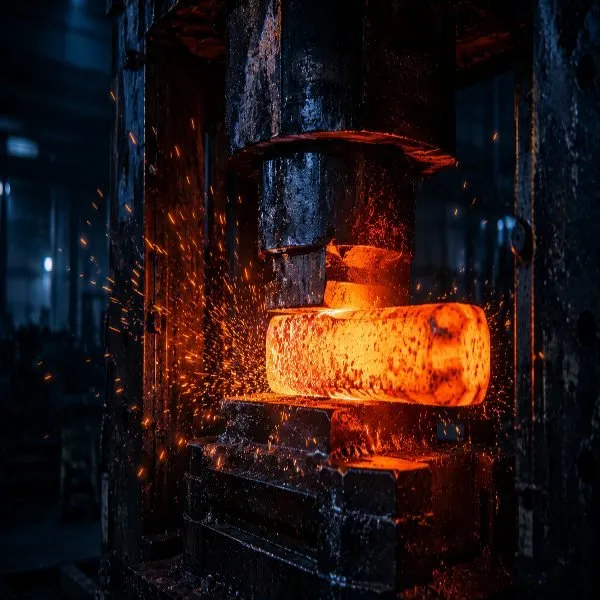
Forging
Compressive shaping that aligns grain flow for maximum strength and fatigue life.
- Best for
- Strength- and fatigue-critical parts at volume
- Typical tolerance
- Near-net — finish-machined to spec
The machining angle
We machine forgings to final spec. For one-offs and prototypes, machining from wrought stock is faster and cheaper.
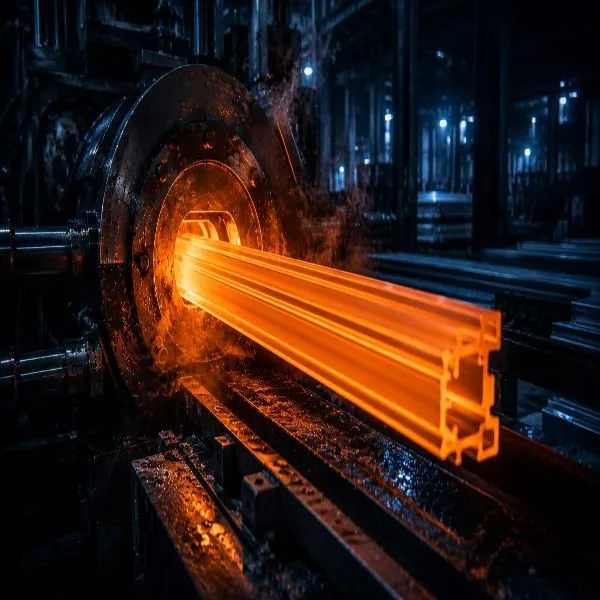
Extrusion
Metal or polymer pushed through a die into a continuous, constant cross-section.
- Best for
- Long constant profiles — rails, heat sinks, frames
- Typical tolerance
- 0.005–0.010″ on the cross-section
The machining angle
We cut extrusions to length and machine features (we list “Extrusions, machined”). Varying cross-sections call for machining.
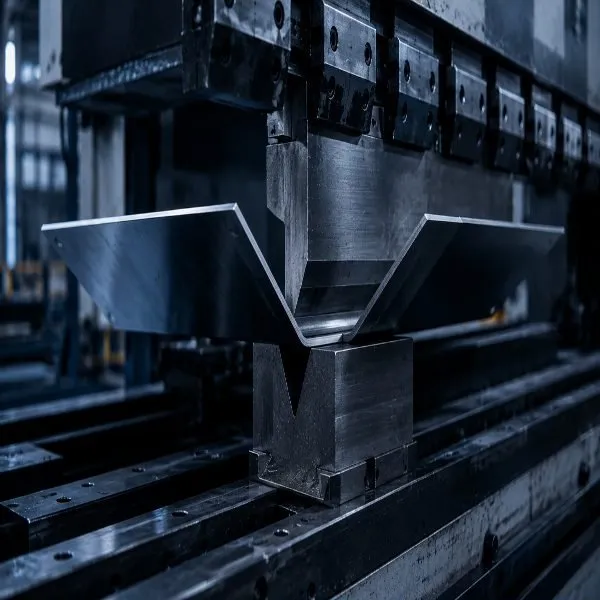
Sheet metal & stamping
Laser/punch cutting plus brake forming or die stamping of sheet stock.
- Best for
- Thin-wall enclosures, brackets, and chassis at volume
- Typical tolerance
- 0.005–0.010″ · bends 0.5°
The machining angle
Machining is the better call for thick, 3D, or tight-tolerance features. We can refer a fab partner — and our bend-allowance reference helps you spec the flat.
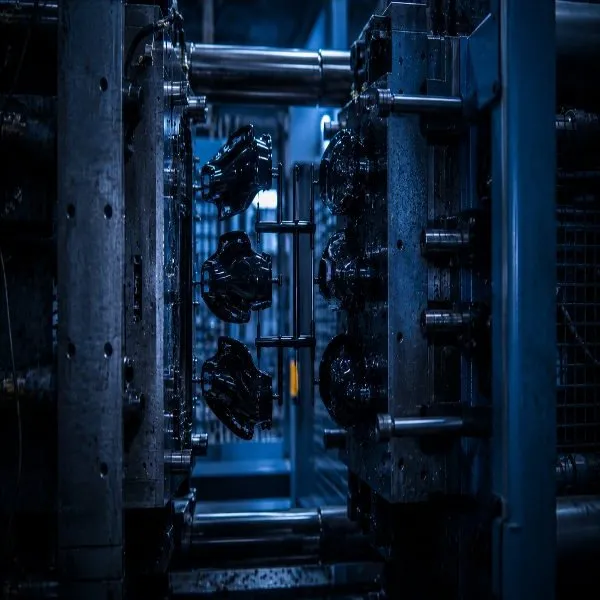
Plastic injection molding
Molten polymer injected into hardened steel tooling.
- Best for
- High-volume plastic parts where tooling amortizes
- Typical tolerance
- 0.002–0.005″
The machining angle
Tooling is a major up-front cost. For prototypes, low volume, or demanding grades we machine PEEK, Ultem, and Delrin directly.
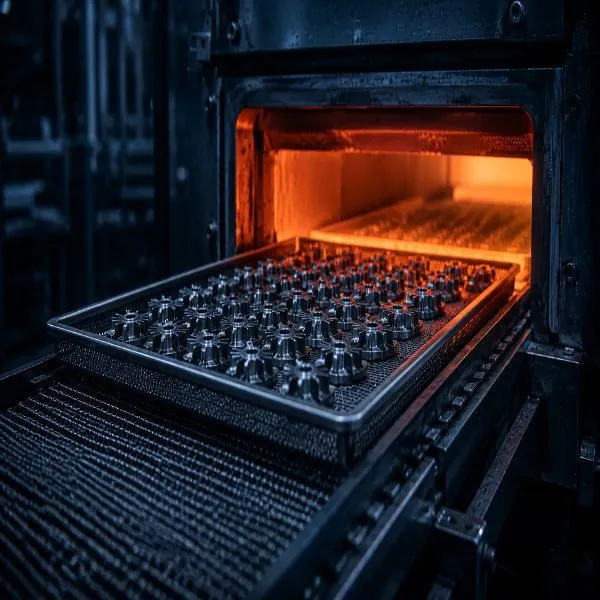
Metal injection molding (MIM)
Fine metal powder plus binder, molded then debound and sintered to shape.
- Best for
- Small, complex metal parts at high volume
- Typical tolerance
- 0.3–0.5% of dimension
The machining angle
Only economical at high volume. Machining wins for low/mid volume and for tight, datum-controlled tolerances.
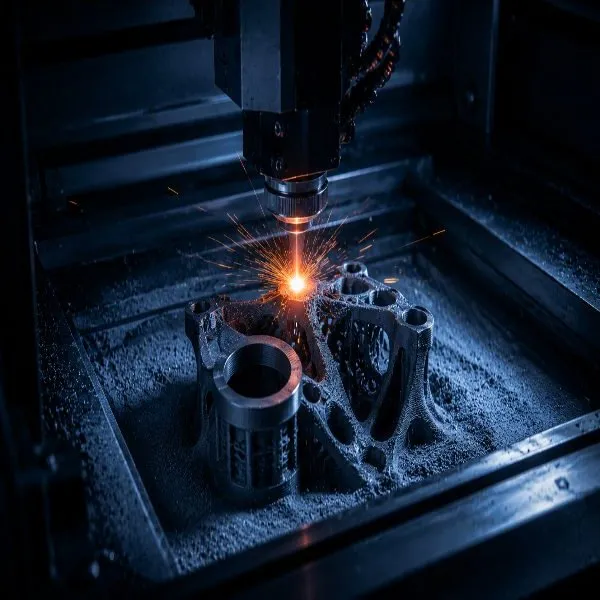
Additive / 3D printing
Metal (DMLS / LPBF) or polymer parts built up layer by layer.
- Best for
- Organic geometry, internal lattices, low volume, part consolidation
- Typical tolerance
- Metal 0.003–0.005″ as-printed; critical features post-machined
The machining angle
We routinely machine datums and critical features on printed parts to tolerance. Machining wins on finish, tolerance, and certified wrought alloys.
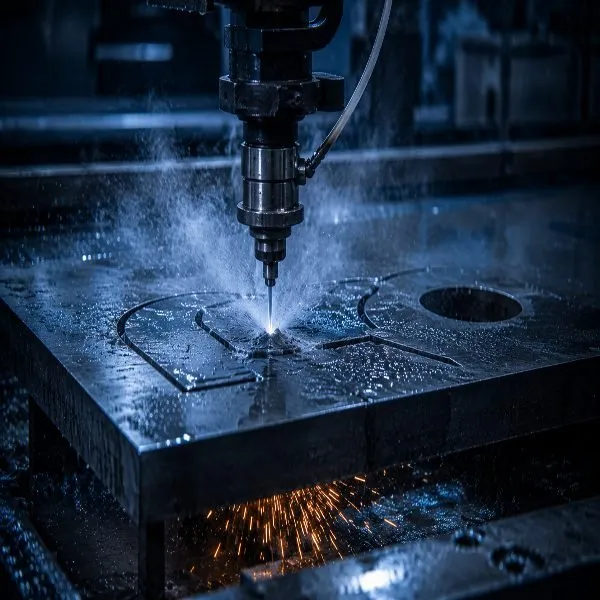
Waterjet & laser cutting
Two-dimensional profiling of plate and sheet stock.
- Best for
- Flat blanks, gaskets, and thick-plate profiles
- Typical tolerance
- 0.005–0.015″
The machining angle
For precision profiles we use in-house wire EDM (0.00008″), then machine blanks to final tolerance.
04 · How to choose
Machining or forming?
The split usually comes down to volume and tolerance. A quick gut-check — and when in doubt, send us the print and we'll give you a straight answer.
Reach for machining when…
- Tolerances tighter than 0.005″ (we hold to 0.0001″)
- Prototype to mid-volume, where tooling can't amortize
- Any alloy — titanium, Inconel, hardened steel, plastics
- A finishing step on a casting, forging, or printed part
Consider forming / casting when…
- Very high volume, where per-part cost dominates
- Net or near-net shapes that minimize material removal
- Geometry impractical to machine (thin sheet, fine lattices)
- Properties only the process gives (forged grain flow)
Many real parts use both — a casting, forging, extrusion, or printed blank that we then machine to final tolerance. That's everyday work for us, and it's why we'll happily talk through a process even when the first step isn't ours.
Keep exploring
Related tools & references
Route your geometry, material, and volume to the right in-house setup.
Production, prototype, turnkey assembly, and DFM under one roof.
Do we do casting, sheet metal, 3D printing, heat-treat? Straight answers.
The finishing operations we coordinate, with specs and design rules.
Process selection by alloy with the AMS / ASTM specs to call out.
How tolerance class maps to process capability and cost.
Design geometry that routes cleanly and machines for less.
Have a part that needs to be made right?
Tell us about your part and we'll quote within 24 hours. Aerospace, medical, and defense work welcome.
Quotes in 24 hours